


 https://earth.org/how-does-deforestation-affect-the-environment/
Forests, once sprawling giants carpeting the Earth, have faced the relentless axe of human progress for millennia. Deforestation, the permanent removal of trees to make way for other uses, has a long and complex history, intertwined with our development as a species.
A History of Deforestation
In many ways, deforestation's story mirrors that of agriculture. As early as 10,000 BC, with the dawn of farming, trees were felled to create space for crops and grazing animals. This trend continued, with vast swathes of once-forested land now dedicated to agriculture. Even today, agriculture remains a leading culprit.
Population growth is another major driver. As our numbers have swelled, so too has the demand for resources – food, space, and materials. This translates to clearing forests for cattle ranching, growing commodities like soy and palm oil, and obtaining wood for various purposes.
Take the Amazon rainforest, for example. Over the past five decades, a staggering 17% of this vital ecosystem has been lost, largely to create cattle ranches and grow soy.
What is Deforestation? | Eco Facts | One Tree Planted
Other Drivers of Deforestation
While agriculture stands as a primary culprit, deforestation has other significant causes:
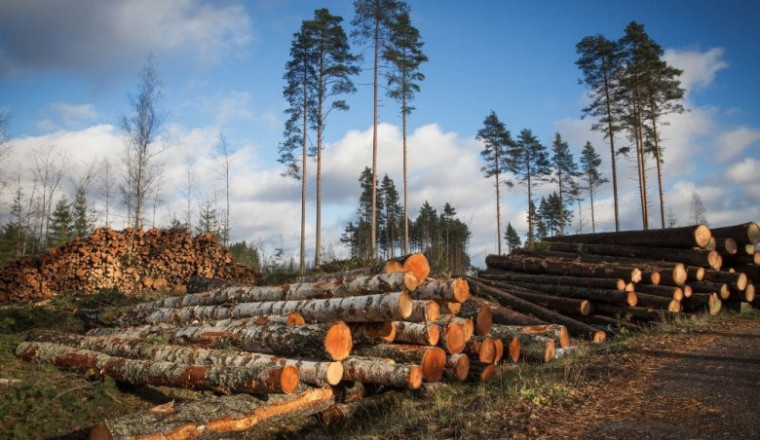
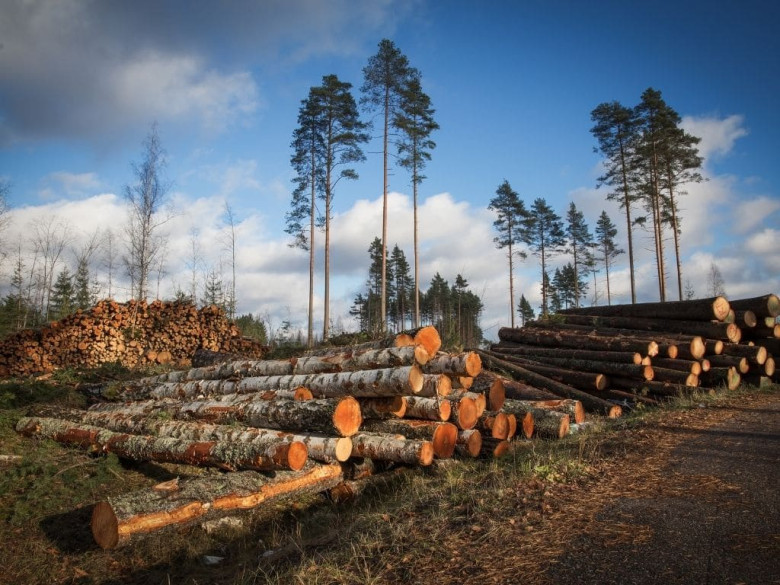
- The Timber Industry: Logging, the large-scale felling of trees for timber, has significantly altered landscapes worldwide. Just consider North America – by the 1870s, nearly half of its eastern forests had been logged, highlighting the historical impact of this industry.
- Urbanization: As cities sprawl, forests often give way to concrete jungles. This conversion of forests to accommodate urban infrastructure is another key driver.
- Mining: The extractive industries also play a role. Forests are sometimes cleared to make way for mines, further fragmenting natural habitats.
- Climate Change: The increased risk of wildfires fueled by climate change can exacerbate deforestation.
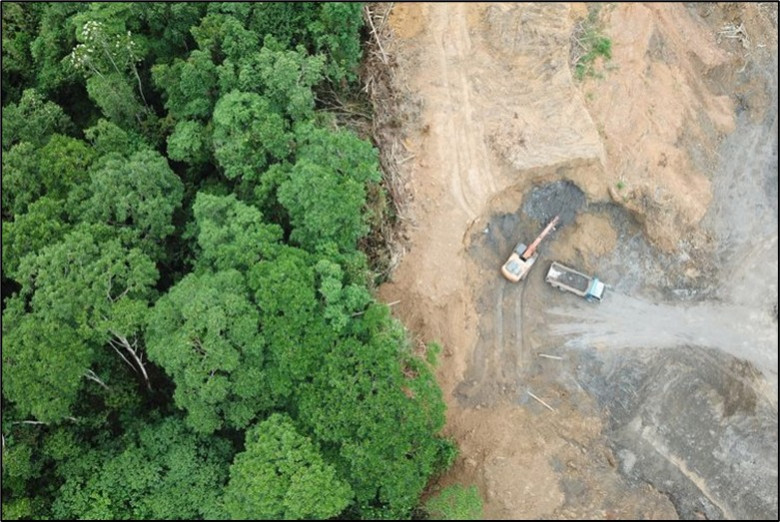
Deforestation has far-reaching consequences. It disrupts ecosystems, destroys habitats, and contributes to biodiversity loss. Forests play a crucial role in regulating the climate, and their removal disrupts this delicate balance. Deforestation also contributes to soil erosion and can worsen flooding.
 https://arek.its.ac.id/bem-its/detailpost/forest-deforestation
Sustainable Solutions
SAVE TREES SAVE LIFE - We can start by planting more trees and plants. We can switch into using reusable cloth tissue because it doesn’t harm the environment.
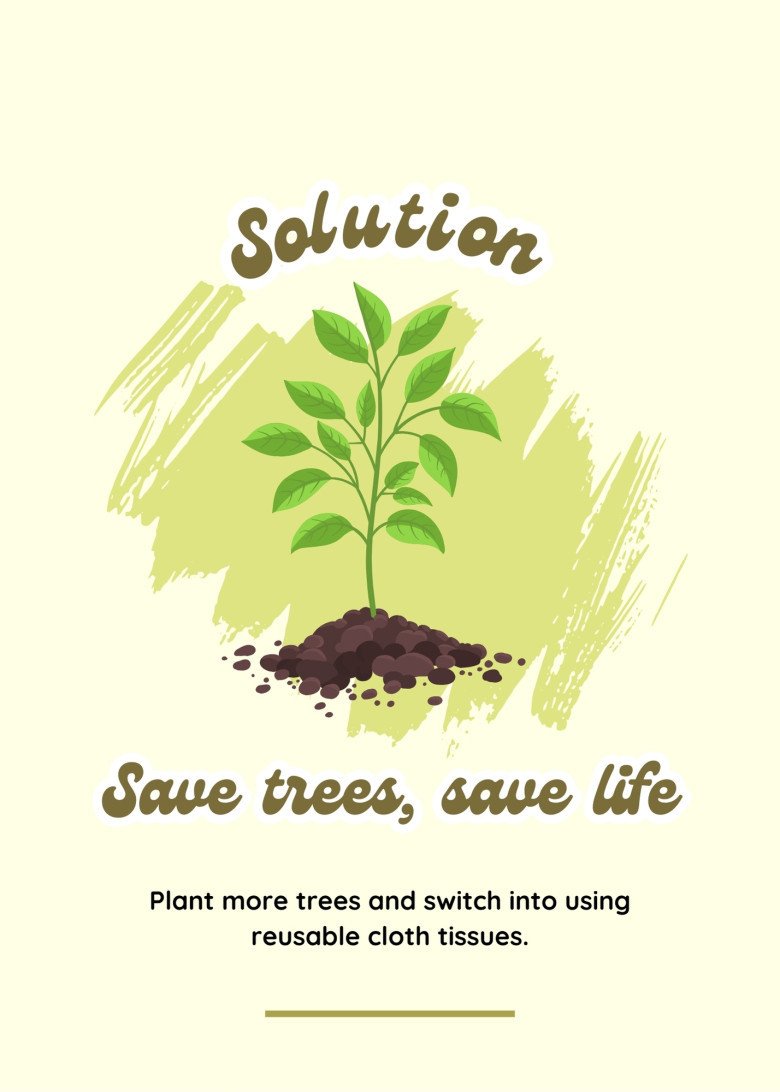
The story of deforestation needn't be one of relentless destruction. Sustainable forestry practices, coupled with efforts to reforest cleared areas, offer a glimmer of hope. Additionally, promoting responsible consumption habits, particularly when it comes to products like beef and palm oil, can help reduce demand for land use change.
Understanding the history and causes of deforestation empowers us to find solutions. By acknowledging the impact of our choices and adopting sustainable practices, we can strive for a future where forests and human progress coexist in harmony.














Komentar
0 comment