


The Causes and Consequences of Plastic Pollution
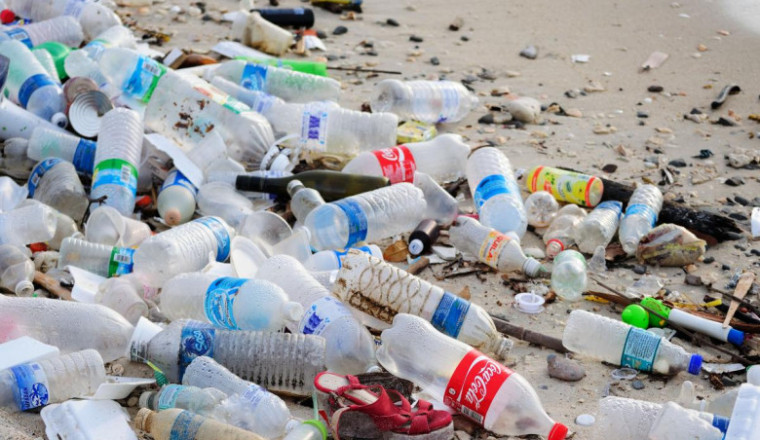
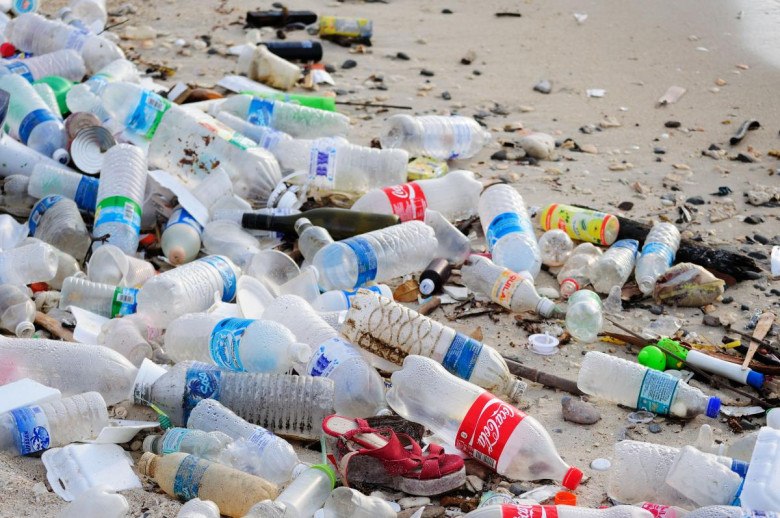
Plastic pollution is primarily caused by our throw-away culture. A significant portion of plastic waste is mismanaged, not reaching landfills or recycling facilities. This plastic ends up in our oceans, rivers, and littering landscapes.
The consequences of plastic pollution are far-reaching. Wildlife entanglement and ingestion are major threats, with marine animals particularly vulnerable. Microplastics can also enter the food chain, posing a potential risk to human health. Plastic pollution also disrupts ecosystems, damages habitats, and contributes to climate change.
 https://betterdays.foundation/blog/plastic-pollution/
Plastic pollution has become a defining environmental challenge of our time. From the deepest ocean trenches to the peak of Mount Everest, microplastics – tiny fragments of plastic less than 5 millimeters in size – are now ubiquitous. But how did we get here, and what can be done to address this ever-growing problem?
A Brief History of Plastic
The story of plastic pollution is intertwined with the history of plastic itself. Invented in the 19th century, plastics were hailed as a revolutionary material – cheap, versatile, and durable. The first fully synthetic plastic, Bakelite, arrived in 1907, followed by a rapid proliferation of new polymers throughout the 20th century.
The convenience and affordability of plastic led to a surge in its use. Disposable packaging, single-use bottles, and plastic bags became commonplace. However, the very properties that made plastic so useful – its durability and resistance to degradation – also created a major problem. Unlike natural materials, plastic doesn't easily break down. Instead, it fragments into smaller and smaller pieces, accumulating in the environment for decades or even centuries.
A brief history of plastic
Finding Solutions: A Collective Responsibility
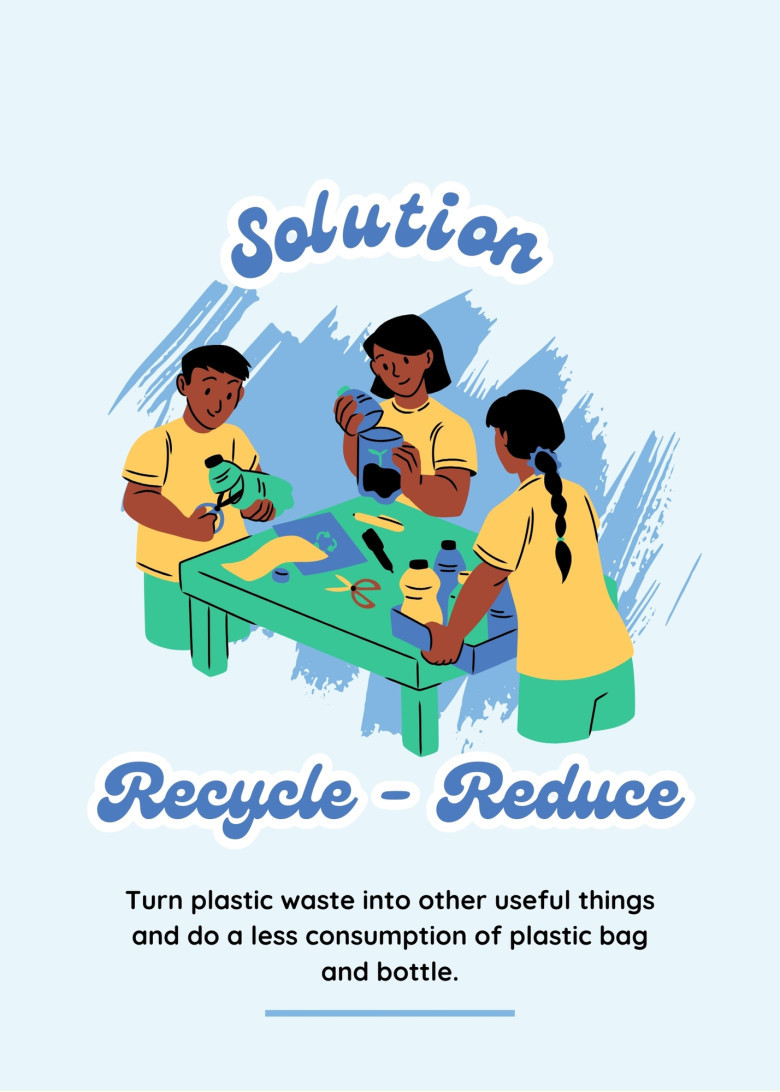
Recycle - reduce
Every plastic waste should not be used as disposable. Instead, we can recycle plastic waste into other useful things (for example, turn plastic bottle into a pencil cup holder). Less consumption of plastic bag or plastic bottle will also reduce the waste. We may use reusable shopping bag or water bottle.
Addressing plastic pollution requires a multi-pronged approach. We need to reduce our reliance on single-use plastics, invest in innovation for biodegradable materials, and improve waste management systems globally.
Individuals can play a crucial role by making conscious choices. Carrying reusable bags, opting for products with minimal packaging, and properly disposing of plastic waste are all steps in the right direction.
Governments and businesses also have a critical role. Policies that incentivize responsible production and consumption, coupled with investments in recycling infrastructure, are essential.
Plastic pollution is a complex problem, but it's not insurmountable. By working together, we can build a future where plastic is used responsibly and doesn't come at the cost of a healthy planet.













Komentar
0 comment